
 العربية
 فارسی
فارسی English
What is thyroid surgery?
Patients with hyperthyroidism, thyroid nodules, simple goiter, multinodular goiter and thyroid malignancies are referred to an endocrinologist for surgery if necessary. Thyroid surgery or thyroidectomy is especially effective in thyroid malignancies. Fortunately, unlike malignant tumors in other parts of the body, the most common type of malignant thyroid tumor, which is papillary cancer, can be completely cured if diagnosed in time and accurate surgery is performed, and the patient can continue his normal life.
In the following, we will examine the causes and types of thyroid surgery and other issues related to it.

The best thyroid surgeon in Iran
After seeing a thyroid doctor in a timely manner, choosing a thyroid surgeon is the most critical decision you will ever make. Because the thyroid surgeon is very effective in reducing surgical complications and faster recovery as a result of thyroidectomy. Dr. Ahmad Fanaei, thyroid and parathyroid surgeon, is a member of the American Thyroid Association and has performed more than 5,000 successful surgeries to date. He is the only thyroid surgeon in Iran who uses a nerve-stimulator device to prevent laryngeal nerves. Dr. Ahmed Fanaei is known as the golden claw surgeon of thyroid.


What are the reasons for thyroid surgery?
Thyroidectomy or thyroid surgery is recommended by a thyroid surgeon in various conditions. Usually, patients in this condition benefit from this surgery more than its side effects. Among the causes of thyroidectomy are:
The most common reason for surgery and removal of the thyroid gland is the presence of nodules or tumors in the thyroid gland. Most nodules are benign and harmless, but some are cancerous or precancerous. It is possible to diagnose the type of nodules by biopsy and sampling. If the size and size of benign nodules increase, problems in swallowing, breathing and changes in tone of voice will be created, and according to these conditions, it is better to remove the thyroid gland. Thyroid nodule surgery should also be done when the doctor recommends it.
Seeing the symptoms of thyroid cancer, you must see a doctor to diagnose thyroid cancer. Also, thyroid cancer surgery is one of the common reasons that should be performed when thyroid biopsy confirms cancer.
An increase in thyroid hormone is called hyperthyroidism, which leads to symptoms such as heart palpitations, trembling hands, bulging eyes, and increased appetite and anxiety. The decrease in thyroid hormone secretion also causes a decrease in appetite, a decrease in the patient’s activity, lethargy and edema of the legs.
Thyroid surgery is also performed in case of hyperthyroidism (overproduction of thyroid hormone). This disorder is often caused by an autoimmune disease called Graves’ disease.
Another reason for thyroid surgery is swelling or enlargement of the thyroid gland, which is called goiter disease. This disorder causes many problems in eating, drinking, speaking and breathing by causing obstruction in the throat.
If the patient has chronic Hashimoto’s disease, thyroidectomy can be very useful. Hashimoto’s thyroid surgery is also recommended in some conditions such as severe inflammation, thyroid nodule, etc.
Types of thyroid surgery
There are different types of thyroid surgery. The most common ones are lobectomy, subtotal thyroidectomy and total thyroidectomy. Surgical specialists use one of the types of thyroid surgery for prevention and treatment, according to the type of disease and the degree of involvement of the thyroid gland in each of the disorders.

Lobectomy
Subtotal thyroidectomy
In this type of surgery, part of the tissue of the thyroid gland that connects the two lobes of the thyroid is removed.
Total thyroidectomy
In this surgical procedure, the entire thyroid gland is removed. This operation is suitable when nodes, swelling, inflammation and cancer affect the entire thyroid gland.

Thyroid gland surgery procedure
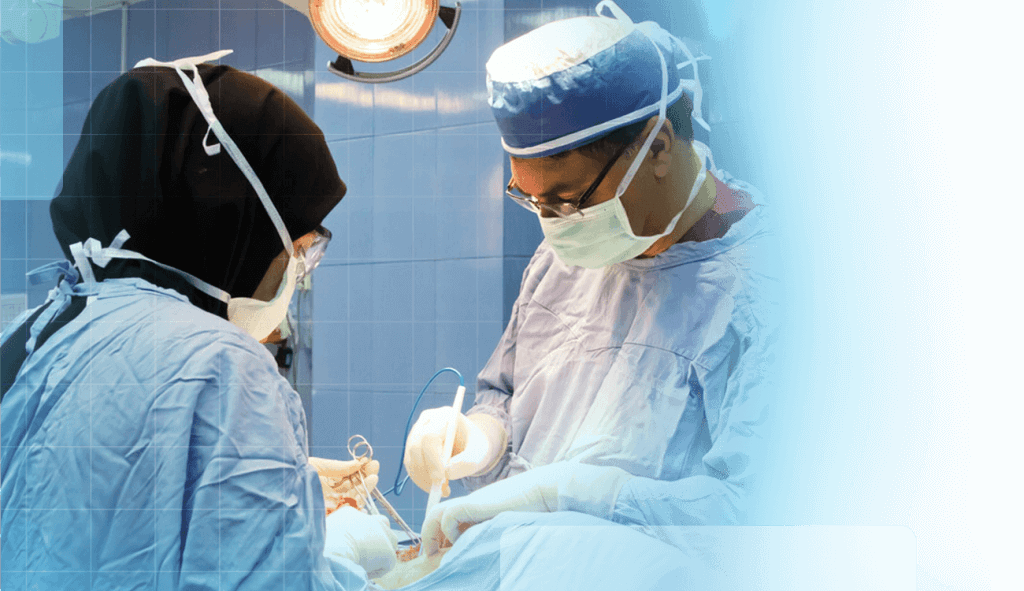
Thyroid removal surgery is performed under general anesthesia and the patient will not feel any pain during the operation. In this procedure, the surgeon starts the surgery by making a small incision in the neck (taking care and avoiding damage to the vocal cords). The surgery to remove the thyroid gland takes about 2 hours. After regaining consciousness, the patient is discharged from the hospital on the same day or the next day.

Complications and risks of thyroid surgery
Doctors often prescribe drugs and hormone pills to replace thyroid hormones after surgery and removal of the thyroid gland. If the surgery is performed by an experienced and skilled doctor, the complications of thyroid surgery will not be serious. However, all surgeries have their own complications, and thyroid gland surgery is no exception. Complications caused by thyroid removal include:
 Infection
- Postoperative bleeding
- Damage to the vocal cords and larynx
- Damage to the parathyroid gland
- The need to take thyroid hormone replacement drugs (levothyroxine tablets)

It should be noted that thyroid surgery is performed by Dr. Fanaei with the help of a nerve-stimulator device to preserve the vocal nerve.
If the thyroid surgeon you choose is expert and experienced, the complications of this surgery will be minimized. As a result, choosing the best thyroid surgeon is very effective.
Life expectancy after thyroid surgery
In general, the absence of a thyroid does not lead to a reduction in the patient’s life expectancy. Patients can live a normal life with proper treatment. . If the thyroid operation is performed by an experienced doctor, the surgical complications will be very low. In this case, almost everyone recovers quickly and without problems.
How to prepare for thyroid surgery?
- If you have hyperthyroidism, your doctor may prescribe medications such as iodine and potassium solutions. These drugs help control thyroid function and reduce the risk of bleeding after surgery.
- To avoid side effects from anesthesia, you may need to stop eating and drinking for a certain period of time before surgery.
- Depending on your reason for needing a thyroidectomy, you may need thyroid medication in the weeks before surgery to suppress the overproduction of thyroid hormones.
- If you smoke, try to quit.
The day of surgery
On the day of the operation, your vital signs including pulse, blood pressure, breathing rate and body temperature will be recorded. On the day of surgery, you cannot eat orally, and if necessary, you will be prescribed intravenous fluids. In case of the following symptoms after surgery, immediately inform the ward nurse.
- Feeling of shortness of breath and suffocation in the first hours after the operation
- Numbness around the lips and tingling of the fingers
What are the necessary tests before thyroid surgery?
- Before surgery, a CT scan or thyroid ultrasound may be needed to find out the location of the abnormal thyroid growth.
- If you have a thyroid nodule, your doctor may do a fine-needle aspiration (a type of needle biopsy) to check for noncancerous (benign) or malignant growths.
- Your doctor may also check the function of your vocal cords.
Care before thyroid surgery
- Before the day of surgery, ask a friend or loved one to help you get home after surgery.
- Inform your surgeon about the medications you are taking.
- If you have a drug allergy or a history of any kind of disease in the family, inform the surgeon and anesthesiologist.
- Your thyroid status should be normal. In case of hyperthyroidism, it is necessary to be treated first so that the conditions for surgery can be provided for you.
- Stop taking aspirin at least one week before surgery.
- Patients who are treated with blood pressure drugs and Indral, it is necessary to continue taking their drugs until the morning of the operation.
- Minimize smoking.
- Before visiting, take a shower and shave your neck and face.
- On the appointed date, go to the hospital reception for admission.
Depending on the patient’s condition, the surgery is performed on the same day or the day after hospitalization.
- Before going to the operating room, remove all ornaments, metal and decorative items.
Care after thyroid surgery
After thyroid removal, some people may experience neck pain and a hoarse or weak voice. These symptoms usually last only for a short time and may be due to irritation of the breathing tube inserted into the trachea during surgery or the result of nerve irritation caused by the procedure. In some cases, hoarseness or weakness is caused by permanent damage to the vocal cords. For this reason, the skill of the surgeon and the use of the nerve-stimulator device during the operation are very important. Dr. Fanei performs thyroid surgery using a nerve-stimulator device.
- After the surgery, until you are fully conscious, the fluids and medicines you need will be injected intravenously.
- After checking your general condition, you can start drinking fluids and eating a normal diet as directed by your doctor.
- You can return to work one week after the operation. For at least 10 days to two weeks, it is better to avoid doing any heavy work, such as lifting heavy objects or vigorous sports.
- It is normal to feel a little pain in the operated area. You should be able to breathe, cough, move and eat easily.
- You will usually be discharged 1-3 days after surgery. If you need a medical certificate, request it from your doctor before discharge.
- When you are discharged, you will be prescribed a prescription that includes painkillers, antibiotics, and sometimes hormones, according to the surgeon’s opinion.
- When you are discharged, get the necessary information about the time and place of the visit by your surgeon.
- One week after the operation, visit your surgeon.
- To continue the treatment, it is necessary to examine the pathology results of your thyroid sample by a surgeon and an endocrinologist.
- It usually takes up to a year for the surgical scar to fade. Your doctor may recommend using sunscreen to make the scar less visible.
FAQ
Recovery time is usually short and painless. The most common problems are fatigue, sore throat and general body pain. But they usually resolve within a few weeks.
Recovery times vary, but most people can return to work one to two weeks after surgery.
There are no restrictions on eating or drinking after surgery. Some people get a sore throat and it is better to eat soft foods for a few days. It is recommended to avoid eating heavy, fatty or spicy foods in the first days.
There are no restrictions on normal activities after surgery. You may feel more tiredness than usual. But it usually resolves quickly. Light activity such as walking can help speed up the healing process. Gentle neck exercises help prevent neck stiffness after surgery.
You can speak immediately after surgery. Your throat may be sore, but talking can be good, and your speech will get better as you speak.
Usually, sutures are placed on the wound. These should remain untouched for seven to ten days. You can pick them up after a week.
You can take shower 24 to 48 hours after surgery. It is recommended to leave the suture adhesives intact and do nothing with them. After showering, gently dry them with a clean towel. Avoid swimming and jacuzzi for at least 2 weeks after surgery.
After discharge from the hospital, you will be given a prescription for pain medication. Take ibuprofen, naproxen, or acetaminophen for the first 3 to 5 days for pain relief at home and as needed. Take medications as directed by your doctor. Pain relievers may make you constipated. If this problem occurs, you can use over-the-counter laxatives.
Most of the scars turn into soft and smooth white lines over time. The incision site will be slightly raised and there may be slight swelling and bruising at the incision site. This is normal for a few weeks after surgery and will resolve over time.
During the first few weeks after surgery, the area of the incision line will be red, hard, and thick, and this is normal. You may feel swelling or stiffness that will go away over time.
Also, a day or two after surgery, a small amount of watery, red fluid may ooze, which is normal. Call your doctor if the scar is thick and yellow (such as pus), or if you have a fever, or if the incision becomes red and warm.
Scars are usually permanent and become less visible as healing progresses.
There is no guarantee that vitamin E oil will help scars heal faster or make them less visible. Using any oil or lotion that increases skin moisture will help it heal faster. One to two weeks after the surgery, you can gently massage your scar using oil or lotion for five minutes several times a day.
Keep the scar away from direct sunlight for one year after surgery. Too much direct sunlight makes the scar darker than the surrounding skin. You should use sunscreen with at least SPF 15 outdoors.
After thyroid surgery, you should see your doctor if you have the following symptoms:
- High fever
- Difficulty swallowing
- Increased pain at the incision site that is not relieved by pain medication.
- Increased swelling, redness, or drainage from the incision site
- Numbness or tingling in the fingers, toes, or around the mouth
- muscle cramps