
 العربية
 فارسی
فارسی English
What is hyperthyroidism?
The thyroid is a gland located in the neck and near the base of the throat. The thyroid gland makes hormones that help control some of the body’s metabolic processes, such as heart rate, blood pressure, body temperature, and weight. Hyperthyroidism (sometimes called thyrotoxicosis or overactive thyroid) is a condition in which the thyroid gland is overactive and produces or secretes too much thyroid hormone. The main thyroid hormones include triiodothyronine (T3) and thyroxine (T4).
Everything you need to know about hyperthyroidism!
The thyroid is a butterfly-shaped gland located in the front of the neck. The function of the thyroid gland is to secrete various hormones that control the body’s growth and metabolism. In order for enough thyroid hormones to be secreted into the blood, it is necessary for this small gland to have a balanced and normal function. Hypothyroidism and hyperthyroidism are two of the most common thyroid problems that many people around the world struggle with.
Hyperthyroidism is a far more complicated condition that requires immediate medical intervention. Without timely and appropriate treatment, overactive thyroid can lead to severe and irreversible complications. The following sections summarize everything you need to know about hyperthyroidism.
What are the symptoms of hyperthyroidism?
Hyperthyroidism has many symptoms and can affect the entire body. Symptoms of hyperthyroidism may vary from person to person. The most common signs and symptoms of an overactive thyroid are:

- Rapid heartbeat (palpitations)
- Problems in breathing
- Sensation of tremors
- Nervousness, irritability, mood swings and reduced concentration
- Infertility and loss of interest in sex
- Itchy skin with raised and itchy areas called hives.
- Loosening of nails
- Menstrual problems, especially lighter or no periods
- Alopecia or patchy hair loss
- Redness in the palm
- Sudden weight loss
- Increased appetite
- Diarrhea and frequent bowel movements
- Vision changes
- Thin, warm and moist skin
- Intolerance of heat and excessive sweating
- Sleep problems
- Swelling and enlargement of the neck due to enlargement of the thyroid gland (goiter)
- Hair loss and brittle and thinning hair
- Eye protrusion (seen in Graves’ disease)
- Muscle weakness
Cause of hyperthyroidism
There are various causes of hyperthyroidism, which we will discuss below.

Graves’ disease:
It is an autoimmune disorder and the most common cause of hyperthyroidism. Graves’ disease occurs when an antibody overstimulates the thyroid. This disease is often seen in young to middle-aged women and is often hereditary.
Nodular or toxic goiter:
This condition occurs when one or more masses (nodules) of the thyroid gland become overactive. The exact cause of toxic goiter is still unknown.
Thyroiditis:
An infection or immune system problem can cause the thyroid to swell and leak hormones into the bloodstream. In this condition, the thyroid becomes swollen for no apparent reason and temporarily causes hyperthyroidism. Then the thyroid will often become underactive.
Hyperthyroidism may also occur for other reasons, including:
- Overuse of thyroid hormone drugs to treat hypothyroidism
- Getting too much iodine in the diet
- Having a non-cancerous (benign) tumor in the pituitary gland that causes hyperthyroidism.
- Pregnancy: the activity and function of the thyroid gland changes during pregnancy and sometimes it may produce too much hormone. Pregnancy hyperthyroidism can be a temporary condition or even continue after pregnancy. In any case, hyperthyroidism in pregnancy is a serious condition and requires immediate medical intervention to prevent unpleasant effects on the fetus and mother.
Who is at risk of hyperthyroidism?
The following risk factors can increase the possibility of hyperthyroidism:
- Female gender
- Age over 60 years
- History of thyroid problems
- Family history of thyroid problems
- Type 1 diabetes
- Getting too much iodine through food or drugs containing iodine
- Pregnancy or breastfeeding
Diagnosis of hyperthyroidism
There are different ways to diagnose hyperthyroidism. Depending on your health status and the severity of your symptoms, the specialist may use one or a combination of the following methods.

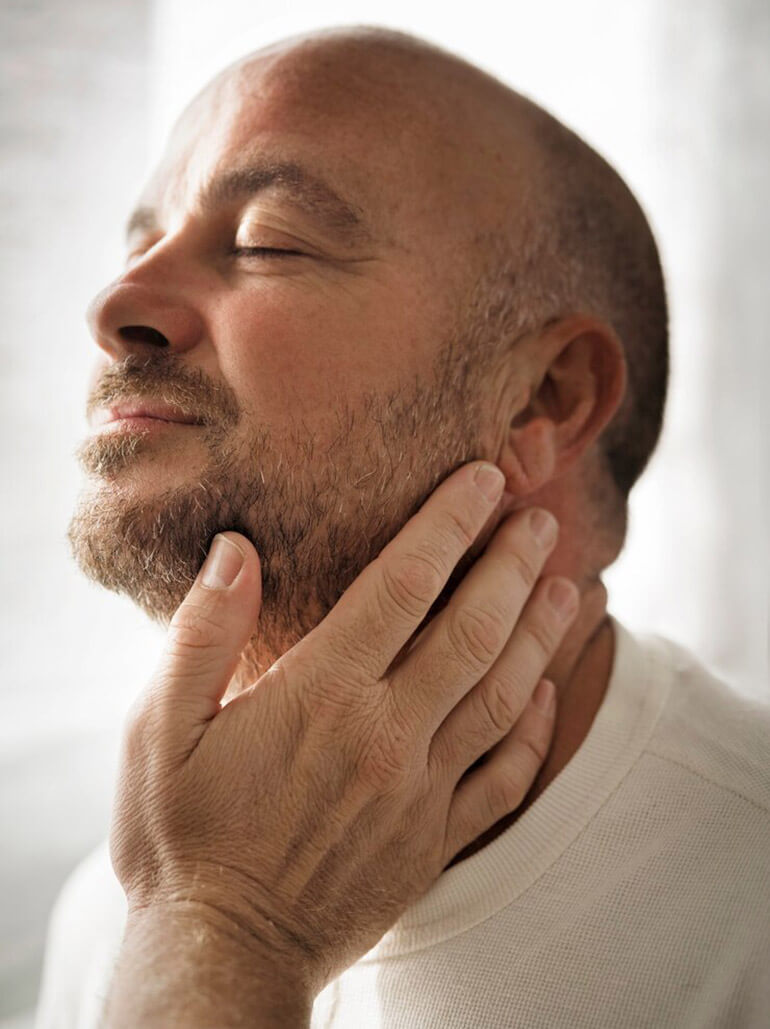
- Physical examination of the patient’s neck to check if the thyroid gland is larger than normal.
- Blood test to check high levels of thyroid hormone in the body
- Imaging tests to examine the thyroid gland
Physical examination to diagnose hyperthyroidism
ا
If you have symptoms of hyperthyroidism, your doctor will check for the following during your physical exam:
- Thyroid Gland: The doctor will gently feel the thyroid gland on the outside of the neck to see if it is large, lumpy, or tender.
- Eyes: Your doctor may check your eyes for swelling, redness, bumps, and other symptoms of Graves’ eye disease.
- Heart: The specialist listens to your heart rhythm using a stethoscope to check for a fast or irregular heartbeat.
- Hands: Your doctor may ask you to hold out your hands to see if they are shaking. He may also check your fingernails and palms.
- Skin: The doctor will check your skin for warmth and moisture.

Blood test to diagnose hyperthyroidism
The most common and reliable way to diagnose hyperthyroidism is to perform a blood test, known as a thyroid function test. In hyperthyroidism, the levels of thyroid hormones T3 and T4 are higher than normal and thyroid stimulating hormone (TSH) is lower than normal.
Imaging tests to diagnose hyperthyroidism
A closer look at the thyroid gland can help the doctor diagnose hyperthyroidism and its possible cause. The following are the most common imaging tests used to diagnose hyperthyroidism:
- Radioactive iodine uptake test: (RAIU) For this test, you take a small, safe dose of radioactive iodine (also called a radiotracer) by mouth to determine how much your thyroid absorbs. After a certain amount of time (usually 6 to 24 hours later), your doctor will scan your neck with a device called a gamma probe to see how much radioactive iodine your thyroid has absorbed. If the thyroid has absorbed a lot of radioactive iodine, it means that the thyroid gland is producing too much thyroxine (T4). In this case, you most likely have Graves’ disease or thyroid nodules.
- Thyroid scan: in this method, in addition to measuring the amount of radioactivity absorbed by the thyroid, a special camera (gamma camera) takes several pictures of your neck; For this photo shoot, you need to lie down on a table and tilt your head back. The radioactive material makes all or certain parts of the thyroid appear “bright” on the screen. Your doctor may use a thyroid scan to detect thyroid masses or nodules, inflammation, swelling, goiter, or thyroid cancer.
- Thyroid ultrasound: Ultrasound uses high-frequency sound waves to create images of the thyroid gland. This is a non-invasive procedure that allows the doctor to see the thyroid gland on a screen. The specialist may use this test to look for thyroid nodules.
When should we see a thyroid surgeon?!
As we said, overactive thyroid treatment drugs have side effects that make thyroid surgery the best treatment option for this disease in most cases. As a result, it is recommended that patients with overactive thyroid, in addition to being treated by internal specialists, should definitely visit a thyroid surgeon for a visit and consultation.
How long does it take to treat hyperthyroidism?
The time required to treat hyperthyroidism depends on its cause. If the doctor decides to treat hyperthyroidism with antithyroid drugs (methimazole or propylthiouracil), thyroid hormone levels should decrease to a healthy level within 6 to 12 weeks.
Also, the doctor may prescribe high doses of iodine drops (non-radioactive), which normalize the thyroid level in 7 to 10 days. However, this is a short-term solution and will most likely require a more permanent solution such as surgery. In fact, thyroid surgery is considered a permanent solution for hyperthyroidism.


What are the complications of not treating hyperthyroidism?
Hyperthyroidism can affect many parts of the body. If you have an overactive thyroid, various body systems can be affected, from the cardiovascular system to the skeletal system (bones). If hyperthyroidism is left untreated or not treated well, the following unpleasant side effects may occur:
- Thyroid storm, also known as thyrotoxic crisis, is an acute and very dangerous complication of hyperthyroidism that manifests itself with multisystem involvement. Despite significant advances in treatment methods and precautions, the mortality associated with thyroid storm is estimated to be between 8 and 25%.
- Heart problems, such as abnormal rhythm or heart failure
- Atrial fibrillation
- Stroke
- Weak and brittle bones (osteoporosis)
- Pregnancy problems, such as miscarriage, premature birth and preeclampsia or high blood pressure
Treatment of hyperthyroidism
There are different ways to treat hyperthyroidism. The doctor can recommend the best treatment option according to the patient’s age, general health, type of hyperthyroidism and severity of symptoms. Treatment options for hyperthyroidism include the following.

Antithyroid drugs:
Methimazole (Tapazole) and propylthiouracil (PTU) prevent the thyroid gland from producing too much hormone. These drugs usually reduce your symptoms within a few weeks or months, although you may need to take them for up to 18 months to help reduce the chance of a relapse. Methimazole has fewer side effects, so it is prescribed more often. Side effects include allergic reactions such as rash or itching. Up to 3% of people who take antithyroid drugs experience allergic reactions.
In rare cases, these drugs can cause the body to make fewer white blood cells, a condition called agranulocytosis. This condition increases the risk of infection. In very rare cases, these drugs can damage the liver, so call your doctor right away if you have symptoms such as yellowing of the skin or eyes, tiredness, fever, sore throat, or stomach pain.
Beta blockers:
These medications do not treat thyroid hormone levels, but they can help with symptoms such as anxiety, tremors, or a fast heart rate. Beta blockers affect how thyroid hormone works in your body. They are often used to treat high blood pressure. Side effects may include headache, dizziness, and digestive problems.
Iodine therapy with radioactive iodine:
You swallow a small amount of radioactive iodine in capsule form. Overactive thyroid cells absorb radioactive iodine and die. This causes the thyroid to shrink and thyroid hormone levels to decrease. You may need to do this treatment more than once.
Since the use of this drug slows down the thyroid, it may also lead to hypothyroidism. Hypothyroidism is easier to treat than hyperthyroidism; It is enough to take a hormone pill once a day. For more than 60 years, doctors have been using radioactive iodine to treat overactive thyroid. This treatment method is generally considered safe and is used to treat more than 70% of adults with this disease.
Hyperthyroid surgery:
If the overactive thyroid does not respond to drug treatment or the severity of hyperthyroidism is so high that drug treatment is not a suitable option, then the specialist may remove all or part of the thyroid gland. This operation is called thyroidectomy. You may need to take anti-thyroid medication before thyroid surgery to prevent complications. After surgery, you may develop hypothyroidism and need to take hormone supplements.
If your parathyroid glands are also removed, you may need to take calcium supplements for a period of time to regulate blood calcium levels. Thyroid surgery, if performed by an inexperienced doctor, can damage the vocal cords and parathyroid glands. But if all aspects of the matter are measured by the surgeon and standard and advanced tools are used during the operation, the possibility of side effects will be greatly reduced.
Prevention of hyperthyroidism
There is no surefire way to prevent hyperthyroidism, but you can reduce your risk by doing the following:

- Check your hormone levels during pregnancy and up to 6 months after delivery.
- If you have diabetes, control it.
- Check your vitamin B12 level; People with pernicious anemia have a higher risk of developing hyperthyroidism.
- Check your thyroid hormone levels regularly if you have had thyroid problems in the past or had thyroid surgery, or if thyroid problems run in your family.
No comment