
 العربية
 فارسی
فارسی English
What is Hashimoto’s?
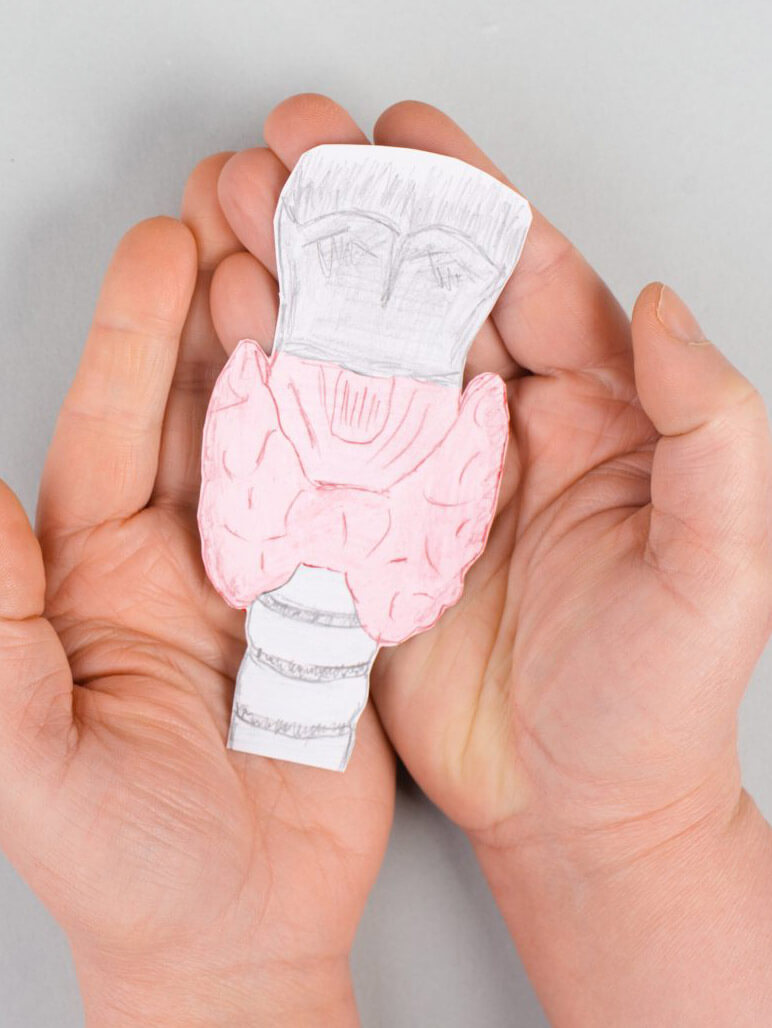
Hashimoto’s disease or chronic thyroiditis is an autoimmune disorder that affects the thyroid gland. Autoimmune disorder is a disease caused by the immune system attacking healthy tissues. The thyroid produces hormones that are involved in regulating many body functions. In Hashimoto’s disease, immune system cells lead to the death of thyroid hormone producing cells. This disease will usually lead to a decrease in the production of thyroid hormone and cause a condition called hypothyroidism. Primary treatment for Hashimoto’s includes thyroid hormone replacement or levothyroxine tablets. Hashimoto’s disease is also known as Hashimoto’s thyroiditis, chronic lymphocytic thyroiditis and chronic autoimmune thyroiditis.
Hashimoto’s thyroid symptoms
Some people with Hashimoto’s disease may have no symptoms at first. As the disease slowly progresses, your thyroid gland may become enlarged (a condition called a goiter

Goiter is the first common symptom of Hashimoto’s thyroiditis. This condition is usually not painful, but it can cause a kind of fullness in the lower part of your neck and make your neck look swollen. For this reason, this disease is called thyroiditis because it is one of the causes of inflammation of the thyroid gland.
If Hashimoto’s disease leads to hypothyroidism, it can cause the following symptoms over time:
- Fatigue, lethargy and excessive sleep
- Slight weight gain
- Constipation
- skin dryness
- Feeling cold
- Slower than normal heart rate (bradycardia)
- Joint stiffness and muscle pain
- Dry and brittle hair, slow hair growth or hair loss
- Low mood or depression
- Puffy eyes and face
- Memory problems or difficulty concentrating
- Heavy or irregular periods
- Decreased libido
- Female infertility or male infertility
What is the cause of Hashimoto’s thyroiditis?
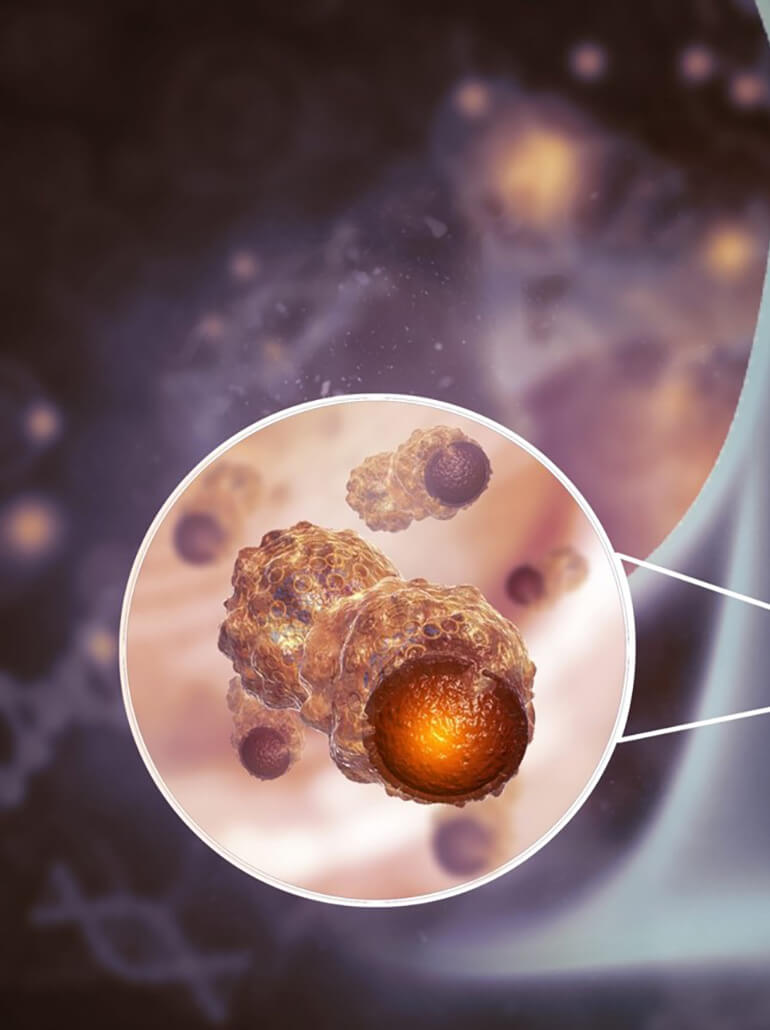
Hashimoto’s disease is an autoimmune disease; This means that your immune system attacks your own cells and organs. Normally, the immune system protects your body from harmful foreign invaders such as bacteria and viruses. But in chronic thyroiditis, the following occur:

- Your immune system makes antibodies that attack your thyroid tissue for unknown reasons.
- Too many white blood cells (especially lymphocytes) build up in your thyroid.
- This accumulation causes inflammation (thyroiditis) and damages the thyroid.
- Over time, this damage can prevent your body from producing enough thyroid hormone that it needs, leading to hypothyroidism. However, not everyone with Hashimoto’s disease will develop hypothyroidism.
It is not known exactly what causes the immune system to attack thyroid cells. The onset of the disease may be due to the following reasons:
- Genetic factors
- Environmental triggers such as infection, stress, or radiation exposure
- Interaction between environmental and genetic factors
Which people are more at risk of this autoimmune thyroiditis?
Anyone at any age can develop chronic thyroiditis, but the following factors are associated with an increased risk of developing Hashimoto’s disease:
Gender: Women are much more susceptible to this disease than men; In fact, the risk of Hashimoto’s disease in women is almost 10 times that of men.
Age: Autoimmune thyroiditis can occur at any age, but occurs mostly in middle age (30 to 50 years old).
Other autoimmune diseases: Having an autoimmune disease such as Addison’s disease, celiac disease, lupus, pernicious anemia, rheumatoid arthritis, Sjogren’s syndrome, and type 1 diabetes increases the risk of developing this disease.
Genetics and family history: If a person or people in your family have thyroid disorders or other autoimmune diseases, you will be at risk of developing this disease. Research shows that your genetics can increase your chances of developing Hashimoto’s disease by about 80%.
Pregnancy: Common changes in immune system function during pregnancy may be a risk factor for developing Hashimoto’s thyroiditis that begins after pregnancy.
Too much iodine: Too much iodine in the diet may act as a trigger among people who are already at risk for developing Hashimoto’s disease.
Exposure to radiation: People who are exposed to excessive levels of environmental radiation are more susceptible to this disease.
Is Hashimoto’s disease dangerous?
In general, all thyroid disorders, if undiagnosed and untreated, can negatively affect a person’s quality of life in the first place and cause irreparable health complications in the long run. Hashimoto’s disease is no exception to this rule. However, Hashimoto’s has a very positive prognosis in treatment. This means that it can be well controlled with timely diagnosis and receiving the right dose of medicine.
Hashimoto’s disease is not dangerous in itself. However, if this disease is diagnosed too late or is not treated properly, it can cause dangerous complications for the affected person and in some cases it can even be fatal.
Complications of not treating Hashimoto’s thyroiditis
With lifelong monitoring and treatment, the prognosis (outlook) for people with Hashimoto’s disease is excellent. However, if hypothyroidism caused by this disease is not properly controlled and treated, it can lead to certain health problems, including:
- High cholesterol
- Heart disease and heart failure
- High blood pressure
- Depression
- Myxedema coma: This condition is a rare complication of severe hypothyroidism in which your body’s functions slow down to a point that can be fatal.
- Without proper treatment, hypothyroidism can also cause problems during pregnancy, including premature labor and miscarriage.
How to diagnose Hashimoto’s
Various health problems may lead to symptoms similar to autoimmune thyroiditis. Therefore, apart from a complete physical examination and review of your medical history, it is necessary to perform special tests to diagnose this disease. How to diagnose is as follows.

Perform a thyroid function test
To determine whether hypothyroidism is the cause of your symptoms, your doctor will order a blood test that may include:
TSH test: Thyroid stimulating hormone (TSH) is produced by the pituitary gland. When the pituitary detects low thyroid hormones in the blood, it sends thyroid-stimulating hormone (TSH) to the thyroid to increase thyroid hormone production.
T4 test: The main thyroid hormone is thyroxine (T4).
Antibody tests
Besides chronic thyroiditis, other health conditions can also lead to hypothyroidism. To determine if Hashimoto’s disease is the cause of your hypothyroidism, your doctor will order an antibody test. If you have certain autoantibodies in your blood, it usually indicates that Hashimoto’s disease is the cause of your hypothyroidism; Not something else like iodine deficiency.
Note: In some cases, the doctor may recommend a thyroid ultrasound to check the size of the thyroid and make sure there are no thyroid nodules.
The answer to Hashimoto’s test
The following results in Hashimoto’s tests can indicate this disease:
- High TSH levels in the blood indicate hypothyroidism.
- Low blood thyroxine (T4) levels confirm the TSH test findings and indicate that the problem is with the thyroid itself.
- Usually, in this disease, your immune system produces antibodies against thyroid peroxidase (TPO); A protein that plays an important role in thyroid hormone production. Most people with Hashimoto’s disease have thyroid peroxidase (TPO) antibodies in their blood. Laboratory tests for other antibodies associated with Hashimoto’s disease may also be needed.
Hashimoto’s treatment
There is no way to definitively cure or reverse Hashimoto’s disease. But lifelong medication is very effective in managing hypothyroidism and thyroid hormone levels

Treatment for Hashimoto’s thyroiditis depends on whether your thyroid is damaged enough to cause hypothyroidism. If you don’t have hypothyroidism or it’s very mild, your doctor may not prescribe any medication but just monitor your symptoms and check your thyroid hormone levels.
If you have hypothyroidism, you will be prescribed a medication (usually in pill form). This drug, called levothyroxine, is a chemical or synthetic version of the natural thyroid hormone T4 and is designed to restore your normal metabolism. Levothyroxine tablets are available in different dosages. The exact dose your doctor prescribes depends on several factors, including:
- Age
- Weight
- Severity of hypothyroidism
- Other health problems
- Other medications that may interact with synthetic thyroid hormones.
6 to 8 weeks after the start of treatment, the doctor prescribes a TSH test to monitor thyroid function and ensure that you are getting the right dose. After adjusting the dose, this test is repeated in 6 months and then in another year. You must use this medicine for the rest of your life because there is no cure for autoimmune thyroiditis.
Because thyroid hormones work so slowly in the body, it may take several months for Hashimoto’s symptoms to go away and for your goiter to shrink. However, very large goiters that do not heal may require thyroid surgery and removal of the thyroid gland.
If levothyroxine does not control all your symptoms of hypothyroidism, your doctor may add another drug called Cytomel (liothyronine sodium), which is a synthetic version of another thyroid hormone called T3, to your treatment plan, or a combination of the two hormones. to do
Prevention of Hashimoto’s disease
Unfortunately, there is nothing you can do to prevent Hashimoto’s disease. Because its risk factors (the most important of which are genetics and age) cannot be changed.

Although Hashimoto’s thyroiditis cannot be prevented, remember that this thyroid disorder is very manageable. If you are concerned about any possible symptoms, discuss it with your doctor so that treatment can be started as soon as possible.
FAQ
Chronic thyroiditis is initially asymptomatic, but if it leads to hypothyroidism, it can cause symptoms such as fatigue, dry skin, constipation, weight gain, etc.
There is no definitive cure for Hashimoto’s disease. If this condition has led to hypothyroidism, a drug called levothyroxine will usually be prescribed to control the symptoms, which you need to take for the rest of your life.
In many cases yes. Genetics and family history are one of the most important risk factors for Hashimoto’s disease.
Hashimoto’s disease is the most common cause of hypothyroidism and affects about 5 out of 100 people.
No comment