
 العربية
 فارسی
فارسی English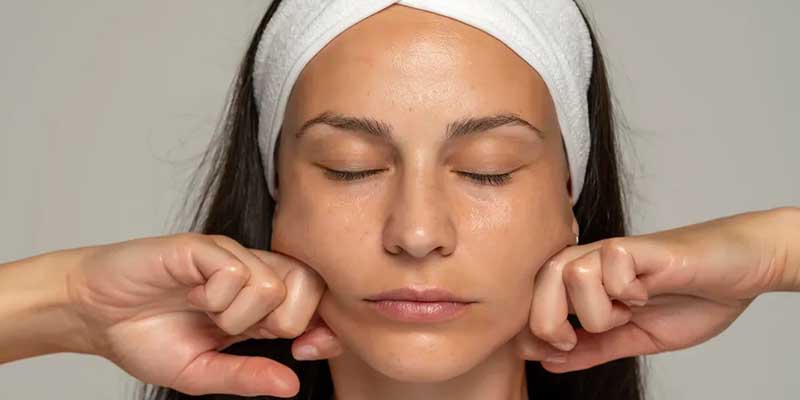
Table of Contents
Hypothyroidism and Facial Swelling
In hypothyroidism, the thyroid gland does not produce enough thyroid hormone, which leads to symptoms throughout the body. Specifically in relation to the face and skin, thyroid hormone-sensitive receptors are located in key areas such as fibroblasts (cells responsible for the structure and strength of connective tissue), hair follicles, keratinocytes (the main cells that make up the outer layer of the skin), and sebaceous glands (which produce the skin’s natural oil). These cells perform important functions, including maintaining the balance and integrity of the skin’s defense barrier against external factors, forming and maintaining the connective tissue support structure that gives the skin strength, and regulating the amount of water retention and exchange in the different layers of the skin. So when thyroid activity decreases and hormone levels drop, these vital processes also become disrupted and slow down, which can lead to noticeable changes in the appearance and quality of facial skin. Hypothyroidism and facial puffiness are among these changes.
Hypothyroidism and Facial Puffiness
Facial puffiness can be a sign of hypothyroidism. But because everyone’s body is different, not everyone with hypothyroidism will have this symptom. Facial swelling can also be related to conditions other than hypothyroidism. These include an allergic reaction, cellulitis (a bacterial skin infection), or sinusitis (a sinus infection).
Hypothyroidism usually progresses slowly, and many people don’t notice symptoms for months or even years. Facial puffiness usually occurs in advanced stages of the disease. It can also appear in patients who have stopped taking their thyroid medication.
Hypothyroidism and Puffiness Under the Eyes
Since thyroid hormones play an important role in the body’s fluid balance, their disruption will disrupt this. Another consequence of hypothyroidism (apart from water retention) is the accumulation of compounds called glycosaminoglycans in the layers of the skin. These substances (which also include hyaluronic acid) have high water absorption and retention properties and can contribute to swelling and puffiness, especially in the areas around the eyes.
Therefore, puffiness under the eyes can be one of the visible symptoms of hypothyroidism and indicates a disruption in the regulation of fluids and the accumulation of certain substances in the tissues around the eyes. However, it should be noted that puffiness under the eyes has many causes and its presence does not simply mean hypothyroidism.
Causes of Puffy Face and Under-Eyes in Hypothyroidism
The thyroid gland produces two vital hormones called thyroxine (T4) and triiodothyronine (T3), which play a pivotal role in regulating how energy and oxygen are used by various tissues throughout the body. When the levels of these hormones circulating in the blood are insufficient, a chain of vital processes in the body slow down and become disrupted. This disorder affects various aspects of body function; including the rate of growth of cells and tissues, the body’s ability to regulate internal temperature, the rate of metabolism and food metabolism, the strength and regularity of the heart’s function, and even the clarity and speed of thinking, as well as the ability to reproduce.
Hypothyroidism can cause changes in your body and face and alter your facial features. Thyroid hormone receptors are found in the epidermis and dermis (the top two layers of the skin), as well as in the hair. Proper thyroid function plays an important role in maintaining healthy tissue and renewing it. One of its main functions is to metabolize sugar compounds. Hypothyroidism can lead to an excess accumulation of sugar molecules called glycosaminoglycans in the skin. These compounds, which include hyaluronic acid, attract water. Over time, the excess fluid accumulation in various parts of the body causes swelling.
Treatment for Puffy Face and Under-Eyes Due to Hypothyroidism
Currently, there is no direct treatment that specifically addresses the appearance changes caused by hypothyroidism. However, treating the underlying thyroid problem can help improve skin and facial changes, relieve other symptoms, and prevent possible complications. Treatment involves taking a synthetic hormone medication called levothyroxine to restore normal thyroxine levels. The dosage of the medication is adjusted based on blood test results to reach the desired range. Therefore, reducing puffiness under the eyes and face caused by hypothyroidism requires treating the condition itself. Most facial changes caused by hypothyroidism are reversible with proper treatment. In addition to medication, your doctor may also recommend lifestyle changes (such as getting enough sleep, reducing salt intake, and drinking plenty of water).
Conclusion
Most people are aware of hypothyroidism before it affects their appearance. If you notice changes such as puffiness under the eyes and face, be sure to see a doctor to determine the exact cause of the problem. Other conditions, such as weight gain, lack of sleep, or skin problems, can also cause similar changes in appearance. If your puffiness under the eyes and face is caused by hypothyroidism, treating it with levothyroxine can help restore your normal appearance and improve your overall health.
How long does it take for facial puffiness to improve after hypothyroidism treatment?
It takes time to get rid of puffiness under the eyes and face after starting treatment for hypothyroidism and it varies from person to person. By adjusting hormone levels (through taking synthetic hormones), you will gradually see a decrease in swelling; but it may take several weeks or months to achieve complete recovery.
When is puffiness under the eyes a sign of hypothyroidism?
Puffiness under the eyes and face is associated with hypothyroidism when it is accompanied by one or more of the common symptoms of this disease (constant fatigue, weight gain, hair loss, dry skin and feeling cold). If these symptoms are present, it is necessary to check the thyroid hormone levels by a doctor for an accurate diagnosis; because swelling of the face and body alone can have several causes.
Is there a relationship between the severity of hypothyroidism and the amount of puffiness of the face and under the eyes?
Yes. The more severe the hypothyroidism and the longer it is untreated, the greater the likelihood and severity of puffiness of the face and under the eyes. However, different people’s bodies react differently to thyroid hormone deficiency, and not all sufferers experience such problems.





No comment