
 فارسی
فارسی English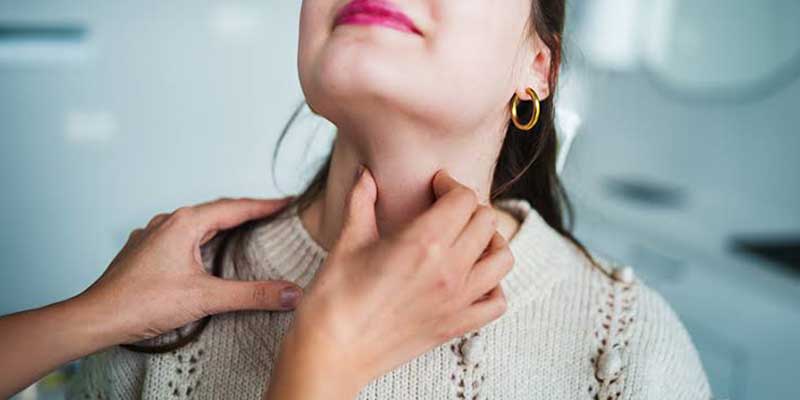
Table of Contents
What does hypothyroidism mean in women?
By producing thyroid hormones, the thyroid gland plays an important role in regulating metabolism and the function of many organs in the body. These hormones affect processes such as energy expenditure, heart rate, body temperature, and nervous system function. Hypothyroidism occurs when the thyroid gland fails to produce enough hormones. As a result, many body processes gradually slow down, and symptoms such as fatigue, weight gain, feeling cold, and dry skin and hair appear. Hypothyroidism is more common in women and, in addition to general symptoms, it also affects some important aspects of women’s health. In this article, we will review the most important points about hypothyroidism in women; from its symptoms and causes to diagnosis and treatment methods.
Types of Hypothyroidism in Women
Hypothyroidism can be seen in different forms based on the location of the disorder and the status of thyroid hormones. The most common type is primary hypothyroidism. However, central hypothyroidism and subclinical hypothyroidism are also important forms of this disease.
Primary hypothyroidism:
In this type, the problem is in the thyroid gland itself and the gland cannot produce enough thyroid hormone. Hashimoto’s disease, thyroid surgery, radioactive iodine treatment and some medications are important causes.
Central hypothyroidism:
In this type of hypothyroidism, the problem is not in the thyroid itself; rather, a disorder in the pituitary gland or hypothalamus causes insufficient stimulation to produce thyroid hormones. The prevalence of this type is much lower than primary hypothyroidism.
Subclinical hypothyroidism:
In this case, the TSH level is higher than the normal range; but the free T4 level remains normal. This type may not cause obvious symptoms and is diagnosed based on a blood test.
Symptoms of Hypothyroidism in Women
Hypothyroidism causes a variety of symptoms, many of which are common in both men and women. Fatigue, weight gain, feeling cold, skin and hair changes, constipation, muscle weakness, and mood swings are among the common symptoms of this condition. However, hypothyroidism in women can also affect the functioning of the reproductive system and cause changes in menstruation, fertility, and sexual function. Specific symptoms of hypothyroidism in women include the following:
Hypothyroidism and menstruation
The female reproductive system depends on thyroid hormones for normal function; therefore, hypothyroidism can alter the menstrual cycle. Some women have heavier or longer periods; while others have longer periods. In more severe cases, menstruation may stop altogether, which is called amenorrhea.
Hypothyroidism and Female Fertility
Thyroid hormones are essential for the normal functioning of the reproductive system and ovulation. Hypothyroidism can reduce the chances of getting pregnant by disrupting ovulation and disrupting the menstrual cycle. Even mild hypothyroidism that does not cause obvious symptoms may affect fertility. For this reason, it is very important to check thyroid function in women with fertility problems.
Problems during pregnancy
The body’s need for thyroid hormones increases during pregnancy; for this reason, untreated hypothyroidism can cause problems for the mother and fetus. This condition is associated with an increased risk of gestational hypertension, miscarriage, premature birth, and low birth weight. Therefore, proper diagnosis and management of hypothyroidism during pregnancy is very important
Sexual dysfunction
In some women, hypothyroidism causes decreased libido, decreased arousal, or difficulty achieving orgasm. The exact cause of this connection is not completely clear; But hormonal changes caused by hypothyroidism play an important role in sexual function. In many cases, these problems improve with proper treatment of thyroid disease.
Hypothyroidism at different stages of a woman’s life
Women are more likely to develop hypothyroidism at certain stages of their lives than at other times, because hormonal changes and the body’s needs during these periods can affect thyroid function.
Hypothyroidism in pregnancy
Pregnancy causes natural changes in the function of the thyroid gland, and for this reason, the interpretation of thyroid tests during this period is different from usual conditions. In early pregnancy, an increase in the hormone HCG stimulates the thyroid gland, and as a result, the level of TSH decreases for a while. On the other hand, an increase in estrogen increases the amount of proteins that carry thyroid hormones, and as a result, the level of total thyroid hormones increases. However, the amount of free and active hormone usually remains within the normal range.
For this reason, TSH and free T4 should be evaluated based on the normal range specific to each trimester of pregnancy. If the thyroid cannot meet the body’s increased need for thyroid hormones, hypothyroidism has developed during pregnancy or a pre-existing condition has worsened. Untreated hypothyroidism during this period is associated with an increased risk of complications such as miscarriage, gestational hypertension, preterm birth, and low birth weight. Therefore, its proper diagnosis and management are of great importance.
Postpartum Hypothyroidism
Some women develop postpartum thyroiditis, an autoimmune thyroid disorder, in the first few months after giving birth. The condition may first present with symptoms of hyperthyroidism and then with hypothyroidism. Symptoms of the hypothyroid stage include fatigue, weight gain, feeling cold, constipation, and mood swings, which can be mistaken for normal postpartum changes. In many cases, thyroid function returns to normal within 12 to 18 months, but some women develop permanent hypothyroidism.
Hypothyroidism and Menopause
Hypothyroidism in the years leading up to menopause can present with symptoms similar to those of menopause, making it difficult to diagnose the cause. Menstrual changes, weight gain, fatigue, sleep disturbances, and mood swings are common in both conditions. However, hypothyroidism is a separate hormonal disorder and should be treated separately. Thyroid tests can help distinguish hypothyroidism from normal changes associated with menopause if you have suspicious symptoms.
Causes of Hypothyroidism in Women
Hypothyroidism can be caused by a variety of factors. Some of these factors directly damage the thyroid gland, while others impair its function and reduce the production of thyroid hormones. The most important causes of hypothyroidism include:
• Hashimoto’s thyroiditis: Hashimoto’s is an autoimmune disease in which the body’s immune system mistakenly attacks the thyroid gland. This attack gradually damages the thyroid tissue and reduces its ability to produce thyroid hormones. Hashimoto’s is the most common cause of hypothyroidism in women in many parts of the world.
• Iodine deficiency: In many parts of the world, insufficient dietary iodine intake is one of the most important causes of hypothyroidism. The thyroid gland needs iodine to produce thyroid hormones, and a deficiency of this substance disrupts its function.
• Thyroid surgery: Removing all or part of the thyroid gland reduces the production of thyroid hormones and leads to hypothyroidism in some people.
• Radiation therapy: Radiation therapy to the neck or some cancer-related treatments can damage thyroid tissue in some people and reduce its function.
• Cancer: Some cancers or the treatments used for them affect the function of the thyroid gland and reduce the production of thyroid hormones.
• Some medications: Some medications, including amiodarone and lithium, disrupt thyroid function and cause hypothyroidism.
Risk factors for hypothyroidism in women
Some personal and medical conditions increase the risk of developing hypothyroidism; These include:
Being a woman: Hypothyroidism is much more common in women than in men. One important reason for this difference is the higher prevalence of autoimmune thyroid diseases such as Hashimoto’s in women.
Ageing: The likelihood of developing hypothyroidism increases with age, and the disease is more common in people over 60.
Family history of thyroid disease: Having a close family member with thyroid disease increases the likelihood of developing it. This connection is especially important for autoimmune diseases such as Hashimoto’s.
Having autoimmune diseases: Women who have other autoimmune diseases such as type 1 diabetes, celiac disease, lupus, rheumatoid arthritis, Sjögren’s syndrome, or pernicious anemia are more likely to develop autoimmune thyroid disorders.
History of thyroid disease or treatment: Women who have had thyroid disease in the past or who have had surgery, radioactive iodine therapy, or radiation therapy to the neck and chest for thyroid problems are at higher risk of developing hypothyroidism.
Pregnancy and postpartum period: The body’s need for thyroid hormones changes during pregnancy, and the risk of thyroid dysfunction is higher during this period and in the months after delivery. Postpartum thyroiditis can also cause hyperthyroidism first and then hypothyroidism.
Some medications: Taking certain medications, including lithium and amiodarone, has been linked to an increased risk of hypothyroidism.
Some genetic disorders: Conditions such as Turner syndrome and Down syndrome are associated with an increased risk of thyroid disorders. Turner syndrome is particularly common in women.
Diagnosis of hypothyroidism in women
Diagnosis of hypothyroidism in women is not possible based on symptoms alone, because many of its symptoms are common to normal body problems and changes. The doctor evaluates thyroid function by reviewing symptoms, performing an examination, and performing blood tests, and if necessary, conducting further tests.
• Review of symptoms and medical history: The doctor reviews the person’s symptoms, history of thyroid diseases, and medical conditions.
• Thyroid examination: The size and condition of the thyroid gland and the presence of any swelling or nodules are checked.
• Blood test: The level of thyroid-stimulating hormone (TSH) and free thyroid hormone (Free T4) are measured.
• Additional tests: If necessary, thyroid antibody tests or imaging are performed to investigate the cause of the disease.
Treatment of hypothyroidism in women
Treatment of hypothyroidism is done with levothyroxine tablets. This drug replaces the T4 hormone needed by the body. The doctor determines the appropriate dose according to the individual’s condition and test results, and usually repeats the TSH test to check the body’s response after starting treatment or changing the dose. Levothyroxine should be taken on an empty stomach, and taking it at the same time as iron and calcium supplements reduces the absorption of the drug. Therefore, it is better to take these supplements 3 to 4 hours apart from the drug. Stopping or changing the dose of thyroid medication without a doctor’s advice is not recommended; because taking less or more than the body needs will cause symptoms to continue or complications such as heart palpitations, tremors, and sleep disorders.
Complications of hypothyroidism in women
Untreated hypothyroidism in the long term gradually affects heart health, fertility, and the function of various organs in the body. The severity of the complications depends on the degree of thyroid hormone deficiency and the duration of the disease. The most important complications of untreated hypothyroidism in women include:
• Increased cholesterol and risk of heart disease
• Impaired fertility and increased risk of miscarriage
• Pregnancy complications such as high blood pressure and premature birth
• Enlarged thyroid gland and goiter
• Impaired cognitive function and reduced ability to perform daily activities
• Weight gain and difficulty controlling weight
• Damage to bone health in some conditions
• Myxedema in severe and untreated hypothyroidism
The bottom line
Hypothyroidism in women is caused by various factors such as autoimmune diseases, genetic background, certain treatments and medications, and iodine deficiency. This disease sometimes progresses gradually, and its symptoms may be confused with natural changes in the body during periods such as pregnancy or menopause. For this reason, paying attention to the symptoms and performing the necessary tests helps to diagnose hypothyroidism in a timely manner. With proper diagnosis and treatment, most women with hypothyroidism can control their condition well and live healthy, normal lives.
Frequently Asked Questions
• What causes hypothyroidism in women?
Hypothyroidism in women can lead to menstrual and fertility disorders, high cholesterol, and heart problems, and it can also increase the risk of certain complications during pregnancy. In severe and untreated cases, this condition can lead to a dangerous condition called myxedema.
• What is the home treatment for hypothyroidism in women?
The main treatment for hypothyroidism is levothyroxine tablets, and home remedies alone cannot solve this problem. Having a balanced diet, regular physical activity, and getting enough sleep can help better control symptoms and maintain the general health of women with hypothyroidism. However, note that these measures are not a substitute for drug treatment and medical follow-up.




No comment