
 فارسی
فارسی English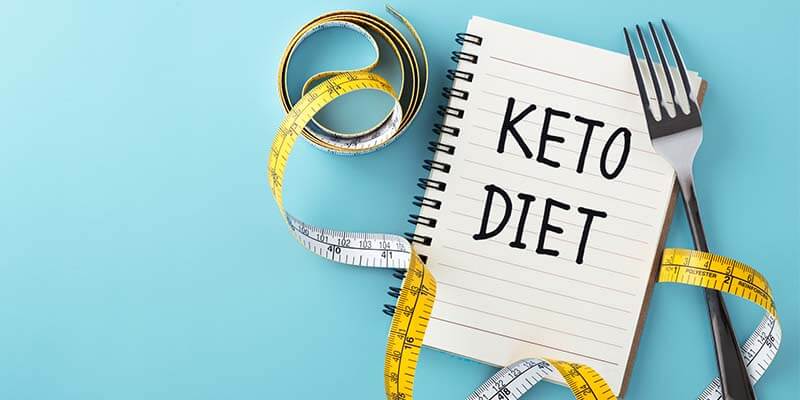
Table of Contents
Hypothyroidism diet
Hypothyroidism is a medical condition in which the thyroid gland does not produce enough thyroid hormones. Hypothyroidism diet can improve the symptoms of this disease. The ketogenic diet, or keto, is a low-carb, high-fat diet that has become very popular in recent years. In this article, we will examine whether the keto diet is beneficial for people with hypothyroidism.
Effect of keto diet on metabolism
The keto diet causes fundamental changes in the body’s metabolism. In this diet, the body turns to using ketones (byproducts of fat burning) to provide energy due to the drastic reduction in the consumption of carbohydrates. This metabolic change can have effects on the function of various glands in the body, including the thyroid gland.
Effect of thyroid on metabolism
The thyroid gland plays a vital role in regulating the body’s metabolism. Thyroid hormones (T3 and T4) have a direct effect on metabolic rate, body temperature, and energy levels. In hypothyroidism, the level of these hormones decreases, which can lead to symptoms such as fatigue, weight gain, and depression.
Some studies have shown that low-carb diets can lower T3 hormone levels. T3 is the most active form of thyroid hormone, and low levels can contribute to symptoms of hypothyroidism. One of the reasons for this decrease is the decrease in insulin levels, which can lead to a decrease in the conversion of T4 to T3.
Advantages and disadvantages of the keto diet for people with hypothyroidism
According to Dr. Fanai, the thyroid gland needs carbohydrates and sugar to produce thyroid hormones. In this diet, the consumption of carbohydrates and sugar is minimized. As a result, when we stop consuming carbohydrates in this diet, the thyroid gland has trouble producing hormones. The keto diet is generally harmful for people with hypothyroidism.
People with hypothyroidism should be under the supervision of a doctor or nutritionist before starting any diet. After the necessary examinations by the doctor, it should be decided whether this diet is suitable for them or not. Below are some of the advantages and disadvantages of this diet:
General benefits of the ketogenic diet
weight loss
Many people with hypothyroidism face the problem of gaining weight. The keto diet can help with weight loss, which may improve some symptoms of hypothyroidism and improve overall health.
Blood sugar control
The keto diet can help control blood sugar, which is beneficial for people with type 2 diabetes and hypothyroidism. Better blood sugar control can improve energy and body function.
Improve energy levels
Some people have reported that their energy levels and concentration have improved with the keto diet. This may be due to a stable supply of energy from fats.
Disadvantages of the ketogenic diet for people with hypothyroidism
Decreased T3 levels
Some studies have shown that low-carb diets can lower T3 hormone levels. T3 is the most active form of thyroid hormone, and low levels can contribute to symptoms of hypothyroidism, such as fatigue and weakness.
Metabolic stress
Metabolic changes caused by the keto diet can stress the thyroid gland. This may worsen hypothyroidism or worsen symptoms.
Digestive problems
Some people may experience digestive problems such as constipation, nausea, and diarrhea. These problems may be due to sudden changes in diet and high consumption of fats.
Lack of nutrients
Restricting the consumption of carbohydrates may lead to the deficiency of some vitamins and minerals. This can negatively affect thyroid function and overall health.
Intolerance of this diet in the long term
Some people may not be able to tolerate the keto diet for long due to severe dietary restrictions. This intolerance may lead to psychological problems such as stress and anxiety.
Modified ketogenic diet for hypothyroidism
A modified ketogenic diet for people with hypothyroidism can help with weight loss, control blood sugar, and improve overall health, without harming thyroid function. However, constant monitoring and fine-tuning of the diet with the help of specialists is very necessary. Here are some tips for setting up a ketogenic diet for these people:
Increase consumption of healthy carbohydrates
In the modified ketogenic diet, the intake of healthy, quality carbohydrates is gently increased to avoid a drastic drop in T3 hormone levels. Healthy sources of carbohydrates include:
• Non-starchy vegetables (such as broccoli, spinach, and lettuce)
Low-sugar fruits (such as berries and avocados)
• Nuts and seeds
Provide adequate protein
Adequate protein intake is necessary to maintain muscle health and glandular function. Protein sources include:
• Low-fat meats (such as chicken and turkey)
• Fish and seafood
Eggs
• Low-fat dairy products
Increase consumption of healthy fats
Healthy fats should make up the majority of calories. These fats include:
• Olive oil and coconut oil
• Avocado
• Nuts and seeds
Fatty fish (such as salmon and tuna)
Managing and reducing stress
Stress has a significant effect on the functioning of the thyroid gland. In stressful situations, the adrenal glands secrete cortisol, which is associated with increased levels of thyroid-stimulating hormone. Also, cortisol, along with stress hormones such as glucagon and adrenaline, work to increase blood sugar levels, which may prevent the body from entering a state of ketosis.
Proper hydration
Drinking water has a significant effect on weight, energy, mental clarity and overall health. The goal is to drink about 8 glasses of water a day. Also, drink an extra glass of water if you drink coffee or alcohol, or if you’ve been sweating for 30 minutes. Of course, drinking fluids such as green tea and herbal teas also help to hydrate the body.
Avoiding endocrine disrupting substances in agricultural products
Endocrine disruptors, or chemicals, may interfere with the body’s hormonal systems, specifically affecting growth, reproduction, the nervous system, and the immune system. Therefore, avoiding agricultural products that are sprayed with chemical pesticides and herbicides can be appropriate to reduce their adverse effects on the hormonal balance of the body.
Identifying irritating foods and avoiding inflammatory foods
Consuming irritating foods causes the possibility of increasing inflammation and intensifying autoimmune reactions or interfering with thyroid function. Therefore, avoiding inflammatory foods can help improve the thyroid condition. These materials include:
• Refined sugars
• Processed food
• Trans fats and saturated fats
*Some people may even react to eggs, soy, dairy, corn, shrimp, nuts and some additives. Therefore, it is always recommended that people with hypothyroidism be under the supervision of a doctor and follow a completely controlled diet. Do not neglect the benefits of fasting
Fasting in a ketogenic diet may have many benefits and improve metabolism. Of course, it’s best to check with your doctor before starting to see if fasting is safe for you.
final word
With so many different diets out there for hypothyroidism and general health, choosing the best can be difficult. The keto diet can have advantages and disadvantages for some people with hypothyroidism. Although weight loss and better blood sugar control can be helpful, lower T3 levels and metabolic stress may be problematic for some people.
For this reason, before starting any new diet, people with hypothyroidism should consult a doctor or nutritionist to make sure that the chosen diet is suitable for their condition. Because each of us is unique and has our own sensitivities, and there is no nutritional method that is suitable for everyone.





No comment