
 العربية
 فارسی
فارسی English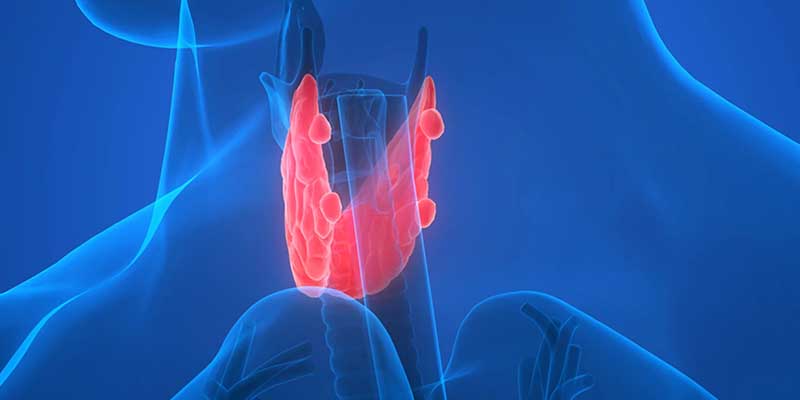
Table of Contents
The Parathyroid Glands and Thyroid Gland Relationship
The parathyroid glands are four small glands located behind the large thyroid gland. The main function of the parathyroid glands is to maintain normal levels of calcium in the blood. This is done by producing parathyroid hormone (PTH). The parathyroid and thyroid have completely different functions. The parathyroid glands control blood calcium levels, and the thyroid is responsible for regulating the body’s metabolism. However, due to their anatomical proximity, any damage to the thyroid gland during thyroid surgery may also damage the parathyroid glands. This damage can be temporary or permanent.
Parathyroid Changes After Thyroid Surgery
The main complication that the parathyroid glands face after thyroid surgery is hypoparathyroidism. During thyroid surgery, the parathyroid glands may become damaged due to physical injury, reduced blood flow, or accidental removal. As a result, the production of parathyroid hormone (PTH) decreases, which leads to a drop in blood calcium levels. This medical condition is called hypoparathyroidism. Depending on the severity of the effect of thyroid surgery on the parathyroids, the changes can be temporary or permanent:
Transient hypoparathyroidism:
Transient hypoparathyroidism is the most common complication after thyroid surgery, occurring in about 5 percent of patients. This condition occurs due to minor trauma or damage to the parathyroid glands during surgery. In this condition, the glands temporarily stop functioning and go into shock. This condition usually lasts for a few weeks to a few months (usually 6 months) and is easily managed. Taking calcium and vitamin D supplements can help improve transient hypoparathyroidism. Gradually, as the normal function of these glands returns, the symptoms disappear and the need for medication is eliminated.
Permanent hypoparathyroidism:
A rarer and more serious complication that can occur after thyroid surgery is permanent hypoparathyroidism. This condition occurs if the parathyroid glands are severely damaged or completely removed during surgery. In permanent hypoparathyroidism, the body loses the ability to produce the hormone PTH and the blood calcium level becomes chronically low. Therefore, the patient has to take calcium and vitamin D supplements for the rest of his life. This lifelong treatment helps control calcium levels and prevent more serious complications such as seizures, heart problems, osteoporosis, etc.
Symptoms of parathyroid problems after thyroid surgery
Symptoms of parathyroid changes appear immediately after thyroid surgery or a few days later. The severity of these symptoms varies depending on the extent of parathyroid damage and the level of calcium loss. The most common symptoms of parathyroid problems after thyroid surgery include:
- Numbness and tingling around the mouth, lips, and fingertips
- Painful muscle cramps, especially in the hands, feet, and face
- Feeling extremely tired, weak, and low energy throughout the day due to low calcium levels
- Anxiety, irritability, or depression
These are common early symptoms of hypoparathyroidism. If these symptoms are ignored and the calcium deficiency worsens, the body can experience more serious complications, including:
- Shortness of breath and difficulty swallowing due to severe spasms of the larynx and airways
- Uncontrollable muscle stiffness (tetany) with inward bending of the wrists and fingers
- Seizures
- Heart problems, such as irregular heartbeat and heart failure
- Long-term neurological and psychological complications, such as severe anxiety and memory impairment
The Role of the Thyroid Surgeon in Preventing Parathyroid Problems
The experience and skill of the thyroid surgeon play a significant role in maintaining the health of the parathyroid glands. Awareness of the sensitive and complex anatomy of the neck area is the most important thing to do to reduce the risk of hypoparathyroidism and its complications after surgery. An up-to-date thyroid surgeon who is proficient in modern technologies protects these small glands well by accurately identifying and preserving the blood vessels that nourish the parathyroid glands during surgery. The use of modern tools such as nerve monitoring helps to accurately identify the parathyroid and take care of the sensitive nerves of the surgical areas and minimizes the risk of hypoparathyroidism.
Dr. Seyed Ahmad Fanaei, a thyroid and parathyroid surgeon with more than 20 years of experience in general surgery and 15 years of specialized experience in this field, is considered a leading expert in the field of thyroid diseases. He is an Associate Professor of General Surgery and an active member of the American Thyroid Association (ATA) and keeps his knowledge up to date by attending its annual congresses. Having performed more than 5,000 successful thyroid surgeries, Dr. Fanaei is well acquainted with the sensitivity of this operation. Considering the vital importance of the laryngeal nerves and protection of the parathyroid glands in these surgeries, he minimizes surgical complications by using modern devices such as intraoperative nerve stimulator and utilizing his high experience and skill.
Final Word
Due to their anatomical proximity to the thyroid gland, the parathyroid glands usually undergo changes after thyroid surgery, the most common of which is hypoparathyroidism. This problem is accompanied by symptoms such as tingling and muscle spasms and is easily controlled in most cases. Although thyroid surgery can cause changes in the function of the parathyroid glands; However, choosing an experienced thyroid surgeon minimizes the likelihood of these complications and plays a role in the effective and rapid treatment of temporary complications.



No comment