 فارسی
فارسی English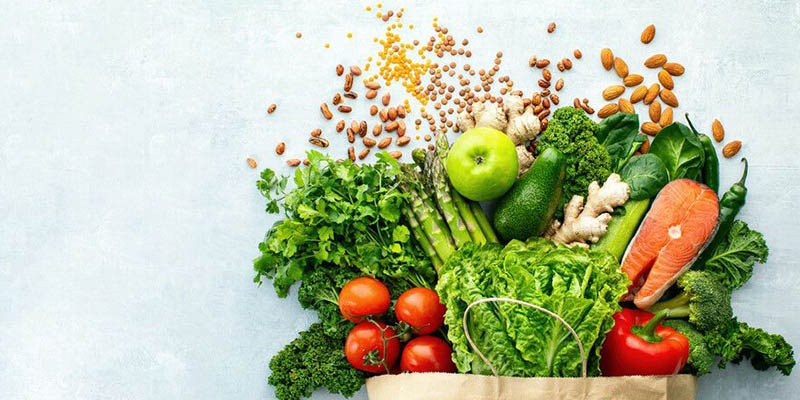
Table of Contents
Best diet
These days, healthcare providers are just as likely to write you a prescription for a healthier diet after diagnosing you with many common health conditions along with pharmaceutical drugs. Per the National Institutes of Health, many chronic diseases, such as obesity, heart disease, hypertension, and diabetes, are often the result of poor nutrition. But what about thyroid disease… can changing your diet alter your thyroid function? In the case of hypothyroidism, a.k.a. underactive thyroid, the answer is both yes and no.
The best diet for hypothyroidism
The diet can have a significant impact on the symptoms of hypothyroidism. Some foods may improve certain symptoms, while others may make them worse or interfere with treatment.
“Hypothyroidism is mostly controlled by medications—there’s no ‘hypothyroid diet,’” says doctors. “But it’s still important to eat a generally healthful diet.
What is hypothyroidism?
The thyroid is a small, butterfly-shaped gland in the throat. Having hypothyroidism, or an underactive thyroid, means that this gland produces less of its hormones than the body needs. This can slow down the body’s metabolism and cause weight gain and fatigue, among other symptoms.
How does the diet affect hypothyroidism?
Having hypothyroidism means that the body does not have enough thyroid hormones. While changing the diet cannot cure this, it can help manage the condition.
What is the generality of a diet for hypothyroidism?
Foods that contain certain nutrients, such as iodine, selenium, and zinc, can help maintain healthy thyroid function.
Some foods may negatively affect thyroid function and worsen symptoms of hypothyroidism.
Some foods and supplements can interfere with how well the body absorbs thyroid replacement medicine, so limiting these can also help.
Which Foods containing iodine?
The body needs iodine to produce thyroid hormones. But because the body cannot make iodine, people need to get it from their diets.
Foods rich in iodine include:
- cheese
- milk
- iodized table salt
- saltwater fish
- seaweed
- whole eggs
A deficiency can cause an enlarged thyroid gland, known as a goiter.
However, it is crucial to avoid consuming too much iodine. This can actually worsen hypothyroidism, and it can also worsen hyperthyroidism, which refers to the body having excess thyroid hormones.
For this reason, a person should only add more iodine to their diet if a doctor recommends it.
Which Foods containing selenium?
Selenium is a micronutrient that plays a role in the production of thyroid hormones and has antioxidant activity. Thyroid tissue naturally contains it.
A 2017 review found that maintaining selenium levels in the body helps prevent thyroid disease and promotes overall health.
Foods rich in selenium include:
- Brazil nuts
- tuna
- shrimp
- beef
- turkey
- chicken
- ham
- eggs
- oatmeal
- brown rice
Which Foods containing zinc?
Zinc is another nutrient that may specifically benefit people with low levels of thyroid hormones.
One study showed that zinc supplementation, alone or in combination with selenium supplementation, improved thyroid function in females with hypothyroidism.
Foods rich in zinc include:
- oysters
- beef
- crab
- fortified cereals
- pork
- chicken
- legumes
- pumpkin seeds
- yogurt
What foods should be avoided and why?
Certain nutrients can interfere with thyroid health. restricting the intake of these foods may help a person manage their hypothyroidism.
Goitrogens
Goitrogens are compounds that may affect thyroid function if a person consumes large amounts.
However, in regular amounts, vegetables that contain goitrogens, such as broccoli and bok choy, are beneficial for overall health and do not interfere with thyroid function.
Plus, cooking the vegetables mostly deactivates the goitrogenic compounds.
Foods that contain goitrogens are typically green cruciferous vegetables, including:
- collards
- brussels sprouts
- Russian kale
- broccoli
- broccoli rabe
- cauliflower
- cabbage
- Soy
Some evidence indicates that soy might interfere with how the body produces thyroid hormones.
Foods that contain soy include:
- soy milk
- soy sauce
- edamame
- tofu
- miso
- Gluten
Processed foods
Reducing the intake of ultra-processed foods and added sugars may help improve symptoms, manage weight, and boost overall well-being.
Examples of ultra-processed foods and drinks that also contain high amounts of added sugar include:
- fast food
- hot dogs
- donuts
- cakes
- cookies
- soda
Other dietary tips
It is important to take thyroid medication on an empty stomach so that the body can absorb it fully. Take it at least 30–60 minutes before breakfast or at least 3–4 hours after dinner.
People should not take this medication within 4 hours of eating foods that contain iron or calcium.
Also, the following medications and supplements may interfere with the body’s absorption of thyroid medication:
- antacids or acid reducers
- milk and calcium supplements
- iron supplements
- high-fiber foods, such as bran flakes, fiber bars, and fiber drinks
- foods high in iodine
- soy-based foods
References
https://www.medicalnewstoday.com/articles/324819
https://www.healthline.com/nutrition/hypothyroidism-diet#:~:text=People%20with%20hypothyroidism%20should%20aim,may%20help%20prevent%20weight%20gain.





No comment