
 فارسی
فارسی English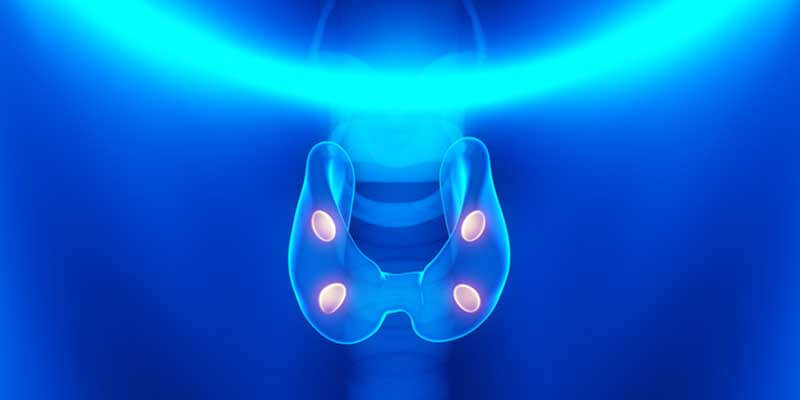
Table of Contents
What is congenital parathyroid?
Each person has 4 tiny parathyroid glands in the neck, located near or attached to the back side of the thyroid gland. These glands help control calcium and phosphorus levels in the blood by producing parathyroid hormone (PTH). The main task of the parathyroid hormone (PTH) is to adjust the level of calcium and the level of phosphorus in the body. Parathyroid disorders occur when PTH is less or more than the required level. Congenital hypoparathyroidism is a condition in which PTH is less than normal. Most common genetic disorder associated with it is DiGeorge’s syndrome. Congenital hyperparathyroidism is a condition in which PTH is more than normal. Hyperparathyroidism can generally be divided into two types based on the cause. Primary hyperparathyroidism usually occurs randomly, but some people inherit a gene that causes the disorder. Secondary hyperparathyroidism is the result of another condition that lowers calcium levels. Therefore, your parathyroid glands overwork to compensate for the loss of calcium (for instance: Severe calcium deficiency, Severe vitamin D deficiency).
Causes of Congenital Parathyroid Disorders
- Hypoparathyroidism: the most common causes of hypoparathyroidism in children are the lack of or the impaired development of the parathyroid glands due to genetic/chromosomal alterations and the abnormal signaling of the Ca (2+)-sensing receptor (casr). Hypoparathyroidism can also be caused by an autoimmune process. However, in many children, the origin of the hypoparathyroidism remains undiscovered.
- Hyperparathyroidism: The presence of non-cancerous tumors in the parathyroid glands or Enlargement of the parathyroid glands due to hyperthyroidism. Hyperthyroidism is very rare in children. The condition in children is more often part of a syndrome, such as multiple endocrine neoplasia.
Symptoms
Symptoms of congenital hyperparathyroidism: The most common Symptoms of hyperthyroidism in children are listed below. Children have more symptoms than adults, and other parts of their bodies, including kidney, pancreas and bones, are more likely to be involved.
- Kidney pain, from kidney stones
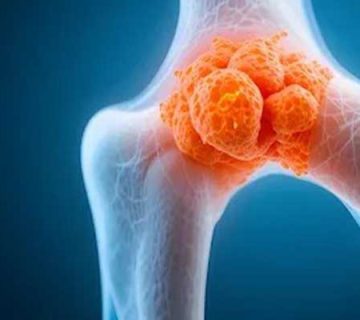
- Bone pain, from thinning bones
- Abdominal pain
- Nausea and Vomiting
- Urinating a lot
- Muscle weakness
- Fracture
Symptoms of congenital hyporparathyroidism: Due to the high calcium needs of the skeleton during infancy and childhood, hypoparathyroidism in children is often symptomatic and is diagnosed because of the clinical symptoms such as:
- Muscle spasms
- Seizures
- Cognitive and or motor delay
- Dental and skin anomalies
- Conotruncal cardiac defect, renal and/or uterine malformation
Parathyroid disorder diagnostic methods:
- X-ray of bones
- Ultrasound: examination of parathyroid glands tissue
- Nuclear medicine test
- CT scan and MRI
- Blood tests: determination of abnormal levels of calcium, phosphorous, magnesium and PTH
- Urinal tests: learn about excessive calcium excretion
Treatment for Congenital Parathyroid Disorders
Depending on the type of disorder and the age of the children, drugs or surgery is performed.
Reference:
https://rarediseases.org/rare-diseases/hypoparathyroidism/
https://www.mayoclinic.org/diseases-conditions/hyperparathyroidism/symptoms-causes/syc-20356194
https://www.endocrine-abstracts.org/ea/0049/ea0049s1.1
https://emedicine.medscape.com/article/921453-overview
https://www.urmc.rochester.edu/encyclopedia/content.aspx?ContentTypeID=90&ContentID=P01958
https://www.chop.edu/conditions-diseases/hyperparathyroidism-children





No comment