
 العربية
 فارسی
فارسی English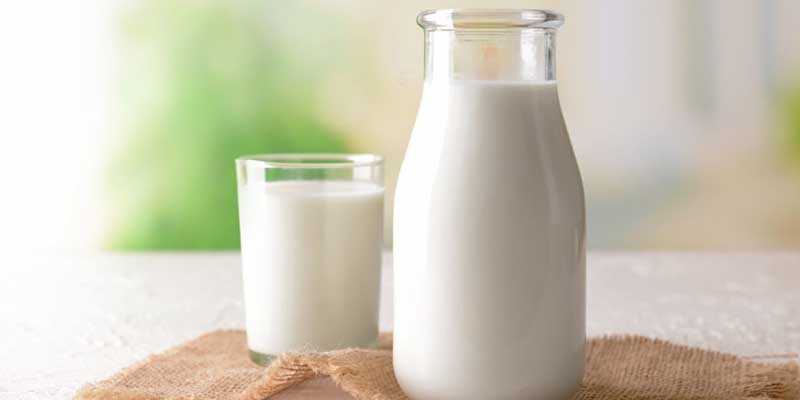
Table of Contents
Hypothyroidism and eliminating dairy products
Dairy consumption affects thyroid function in various ways. This is not a problem for normal people; but it can be problematic for people with hypothyroidism. Sensitivity to specific dairy proteins and lactose intolerance are more likely among people with hypothyroidism, especially Hashimoto’s type. For this reason, many experts recommend that people with hypothyroidism minimize or completely eliminate dairy consumption. Is this advice beneficial for hypothyroid patients or may it be detrimental to them?
The effect of dairy on thyroid health
The relationship between dairy consumption and thyroid health is a complex and under-researched topic. Current research has identified several possible mechanisms that indicate how dairy consumption affects thyroid function, especially in people with hypothyroidism.
Dairy and Iodine Absorption:
Many dairy products are a source of iodine. Iodine is essential for the production of thyroid hormones, and without enough iodine, the thyroid cannot produce adequate levels of T3 and T4. In this sense, dairy products are beneficial for thyroid health. However, the problem arises when dairy products interfere with iodine absorption. In fact, the high levels of calcium in dairy products can inhibit iodine absorption in the body. This will be problematic for people who are already iodine deficient or have thyroid disorders such as hypothyroidism.
Dairy and Autoimmune Thyroid Disease:
The situation is more complicated for people with autoimmune thyroid diseases such as Hashimoto’s thyroiditis. Dairy consumption by these people increases inflammation in the body and worsens autoimmune responses. So much so that some people with autoimmune thyroid disease may experience symptoms such as increased inflammation, joint pain, or digestive problems when consuming dairy products. Some experts even believe that dairy consumption may increase the risk of autoimmune thyroid disease (especially in people with a genetic predisposition) due to its pro-inflammatory effects.
Lactose Intolerance and Thyroid Health:
Some people with thyroid disorders may also experience lactose intolerance, which is the inability to digest lactose (the sugar found in milk). Symptoms of lactose intolerance include bloating, gas, and diarrhea. For people with hypothyroidism or other thyroid problems, these digestive problems can worsen, leading to more severe digestive discomfort and complications. This is especially important for people with Hashimoto’s thyroiditis. Lactose intolerance is common in people with autoimmune thyroid disease, because people with hypothyroidism are more likely to be lactose intolerant due to their slower digestion. About 76 percent of people with Hashimoto’s thyroiditis are also lactose intolerant.
Expert Advice: Reduce or Eliminate Dairy?
Given the potential effects of dairy on thyroid function, as well as the high prevalence of sensitivity to its proteins and lactose intolerance in people with hypothyroidism, many experts recommend that these patients be cautious about consuming dairy products. Some doctors believe that dairy consumption should be limited as much as possible; while others, especially for people with active autoimmune symptoms or related digestive problems, recommend eliminating dairy from the diet completely.
These recommendations are due to evidence that dairy may increase inflammation, interfere with iodine absorption, and even interfere with the absorption of the drug levothyroxine.
Dairy Consumption with Hypothyroidism
If you have hypothyroidism, consider the following:
Moderate Dairy Consumption:
For people who are not lactose intolerant, moderate dairy consumption can be beneficial due to its iodine content. However, be aware of calcium levels and their potential impact on iodine absorption, and consume dairy products at a reasonable distance (at least 3 hours) from levothyroxine.
Dairy alternatives:
If you are lactose intolerant or have autoimmune thyroid diseases, it is best to try non-dairy alternatives. Many of these products are fortified with iodine and other essential nutrients; therefore, they help to support optimal thyroid function.
Consult a specialist: It is best advised that people with hypothyroidism consult a specialist before completely eliminating dairy products from their diet. This is because the condition of hypothyroidism and its related conditions varies from person to person, and a doctor can determine whether eliminating dairy products is beneficial or harmful by carefully examining the individual’s condition, symptoms, and test results. Dairy products also contain important nutrients, the unnecessary elimination of which can lead to nutritional deficiencies. Therefore, if dairy products are completely eliminated, it is necessary to use non-dairy alternatives and appropriate nutritional supplements under the supervision of a doctor.
Dairy Alternatives for Hypothyroidism
Coconut milk is considered the best non-dairy milk alternative for people with hypothyroidism because it is fully compatible with the Autoimmune Protocol (AIP) diet. AIP is a restrictive diet designed to reduce inflammation and improve symptoms of autoimmune diseases such as Hashimoto’s. Other plant-based milks such as almond milk, hemp milk, oat milk, flaxseed milk, soy milk, and cashew milk are not allowed on the AIP diet, but they are considered better alternatives to cow’s milk. Coconut yogurt or lactose-free dairy products are also good options for people with hypothyroidism.
Can dairy cause hypothyroidism?
Dairy does not directly cause hypothyroidism, but it may interfere with the production and absorption of thyroid hormone, especially in people who are iodine deficient or have an autoimmune thyroid disease (Hashimoto’s).
Should I cut out dairy if I have thyroid problems?
This depends on your symptoms and individual situation. If you have an autoimmune thyroid disease or lactose intolerance, reducing or eliminating dairy is likely to be in your best interest.
Is it safe to consume dairy if you have Hashimoto’s thyroiditis?
While there is no one-size-fits-all prescription, most people with Hashimoto’s benefit from reducing their dairy intake (due to its potential to exacerbate inflammation).
Bottom Line
The impact of dairy on thyroid health is complex and can have positive or negative effects depending on your individual circumstances. Dairy provides beneficial nutrients such as iodine and calcium. Iodine helps regulate thyroid function and maintain normal levels of thyroid hormones; however, the high calcium content in dairy products can bind to iodine and interfere with its absorption. Increased inflammation from dairy consumption and interference with the absorption of the medication levothyroxine can also worsen the condition of patients with hypothyroidism. For this reason, it is recommended that people with hypothyroidism, especially Hashimoto’s thyroiditis, eliminate dairy products from their diet or minimize their consumption.





No comment