 العربية
 فارسی
فارسی English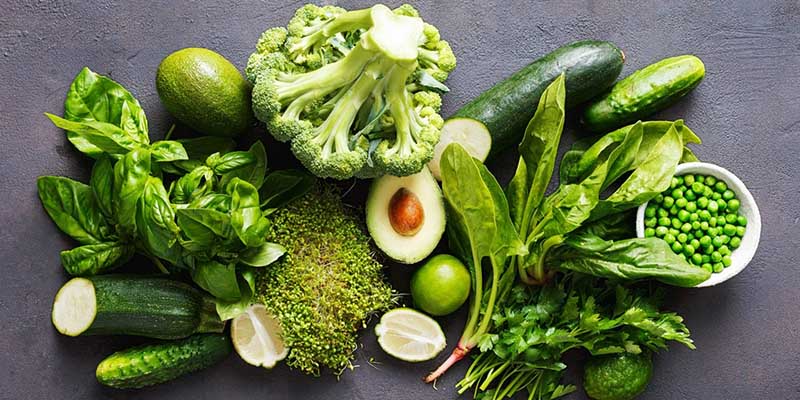
Table of Contents
What is a vegan diet?
A vegan diet is a diet that does not include meat and other animal products such as dairy, eggs, and honey. In fact, a vegan diet goes beyond vegetarianism and some call it “pure vegetarianism.” Proponents of the vegan diet believe that this diet is effective in improving overall health as well as controlling and treating chronic and serious diseases. But is a vegan diet good for your thyroid? What effect does this diet have on thyroid function and related diseases? We will answer this important question below.
The effect of a vegan diet on thyroid function
The thyroid is a butterfly-shaped endocrine gland located under the bump in the front of the neck. The main function of this gland is to produce the thyroid hormones T4 and T3. Your body uses these hormones for numerous functions (including regulating metabolism and body temperature, controlling heart rate, etc.). Almost all cells in the human body have receptors for thyroid hormones. Therefore, any imbalance in the levels of these hormones affects a person’s overall health.
Your thyroid gland’s function is largely dependent on the nutrients it needs. The most important nutrients your thyroid needs are iodine, iron, selenium, zinc, and vitamin B12. Certain compounds can also interfere with thyroid function. It is more difficult to get enough iodine, iron, selenium, and zinc from food sources on a vegan diet than from a complete and balanced diet.
Negative Effects of a Vegetarian Diet on the Thyroid
- The thyroid needs enough iodine to produce the hormones T3 and T4. The amount of iodine found in plant foods is not enough to provide your thyroid with the iodine it needs.
- The mineral zinc is essential for the health and proper functioning of the thyroid. The absorption of zinc from plant sources is much lower than from animal sources. So, if you follow a vegan diet, you are more likely to be deficient in zinc.
- Selenium is an essential trace element that converts thyroid hormones into their active form. Selenium also protects the thyroid from damage from oxidative stress. Not getting enough selenium can lead to thyroid disease or worsen existing thyroid problems. The amount of selenium in plant sources depends on the amount of selenium in the soil and where the plant is grown. Therefore, a vegan diet may not provide enough selenium to your body.
- One of the main concerns about the impact of a vegan diet on thyroid function is iron deficiency. Iron is essential for the conversion of T4 to T3, and not having enough iron in the body disrupts the production of this thyroid hormone. While plant foods such as spinach contain iron; their iron is non-heme and is less absorbed by the body than iron from animal sources. This is why vegans and vegetarians in general are at a higher risk of developing thyroid disease.
- Vitamin B12 is important for thyroid health and overall nerve and blood cell function. In addition to causing symptoms such as weakness and fatigue, a deficiency in this vitamin can disrupt optimal thyroid function. Since vitamin B12 is naturally found in animal products, vegans are more likely to develop a deficiency and thyroid problems if they do not take a B12 supplement.
- Some plant foods, such as soy and cruciferous vegetables (types of cabbage), can negatively affect thyroid function. The thiocyanates found in cruciferous vegetables interfere with iodine absorption unless they are fully cooked and consumed in limited quantities. Soy products also potentially inhibit an enzyme involved in thyroid hormone production.
Effects of a Vegan Diet on Hypothyroidism
A vegan diet is associated with numerous health benefits, such as weight loss, blood pressure regulation, blood sugar control, detoxification, and more. However, if you have hypothyroidism, you should be more cautious about following this diet. While increasing your intake of fresh fruits and vegetables can improve your overall health, completely eliminating animal sources of food increases the risk of vitamin and nutrient deficiencies.
In hypothyroidism, the thyroid gland cannot produce enough thyroid hormones, which causes a high TSH number in a blood test. People with hypothyroidism need adequate amounts of vitamin D, iron, zinc, selenium, B12, iodine, and calcium. A quick glance at the list of nutrients required by these patients will show that a completely plant-based diet cannot provide enough of them. Healthy plant foods like cruciferous vegetables and soy products are also very harmful to hypothyroidism, interfering with the absorption of iodine and the medication levothyroxine.
For this reason, a vegan diet is not recommended for hypothyroidism in most cases. In addition, following a vegan diet long-term can increase the risk of developing hypothyroidism. If you have hypothyroidism and are determined to follow a vegan diet, be sure to do so under the supervision of a specialist doctor so that you can be prescribed appropriate nutritional supplements and learn more about possible food interactions. It is also necessary to check your thyroid hormone levels regularly so that you can change your diet if your hypothyroidism worsens.
Vegan Diet for Hyperthyroidism
Hyperthyroidism is a condition in which the thyroid gland produces too many hormones, which causes a decrease in TSH levels. The most common cause of hyperthyroidism is the autoimmune disease Graves’ disease. People with hyperthyroidism generally lose weight because they have a faster metabolism.
A vegan diet is rich in fruits and vegetables and is therefore high in fiber. High fiber intake increases feelings of fullness, reduces appetite, and leads to greater weight loss. High fiber also interferes with thyroid medications. This is one of the most important negative effects of a vegan diet on people with hyperthyroidism. It can also be challenging to get enough iron, vitamin D, calcium, and zinc from plant sources alone.
Plant foods containing goitrogens (cruciferous vegetables and some root vegetables) are also prohibited in hyperthyroidism, which will limit the allowed plant food sources for these patients. High consumption of gluten and high-carbohydrate foods also increase inflammation, raise blood sugar, and exacerbate hyperthyroidism. Therefore, the consumption of wheat, barley, vegetables, and fruits high in carbohydrates should also be carefully controlled.
In most cases, it is recommended that hyperthyroid patients consume more protein. By eliminating fish and seafood, poultry, red meat, and dairy products (which are prohibited in a vegan diet), it will not be possible for people with hyperthyroidism to receive sufficient amounts of high-quality protein. However, a vegan diet can hardly meet the nutritional needs of patients with hyperthyroidism and may lead to exacerbation of hyperthyroidism.
Conclusion
A vegan diet has several health benefits. However, due to the complete elimination of meat and animal products, it may not be able to fully provide the vitamins and minerals needed by the thyroid gland (such as iron, zinc, selenium, vitamin B12). This condition negatively affects the normal functioning of the thyroid gland and can increase the risk of developing thyroid problems, especially hypothyroidism. In general, following a vegan diet is not recommended for those with thyroid problems, as it will often worsen existing thyroid problems. If you want to follow a vegan diet, be sure to do so under the supervision of a specialist. This will allow you to be prescribed the right medications and supplements, and your thyroid function will be checked regularly.





No comment